


How Event Organisers can Troubleshoot a Crisis During a Big Event
I almost fell into the events business, working at Richmond Rugby Club in 2009 I began to help them develop their events. We took events that had seen crowds of 600 and turned them into amazing experiences with 6,000 attendees, and created new events which brought in completely different audiences to the club.
I realised quite quickly that I was well suited to work in events: I was meticulous and hard working, but more importantly I got a huge buzz from seeing visitors enjoy what we’d worked so hard to create.
I moved on to help organise Color (American spelling of Colour which is so weird) Runs in the UK and The Middle East before heading to Brand Events and working on some of their most prestigious projects, finishing up last year with four Pub in the Park events with Tom Kerridge.
I’ve learnt something from all these shows, from what licences events need, to building a team, to developing the concept of an event in its first, early days.
But I’ve learnt one thing above all others during my time: no matter what you do, at some point on EVERY event, you’ll face a crisis.
Ten years of events experience has helped me to develop a simple but effective formula for dealing with problems large and small once you’ve got onto site, and I’m going to share it with you below:
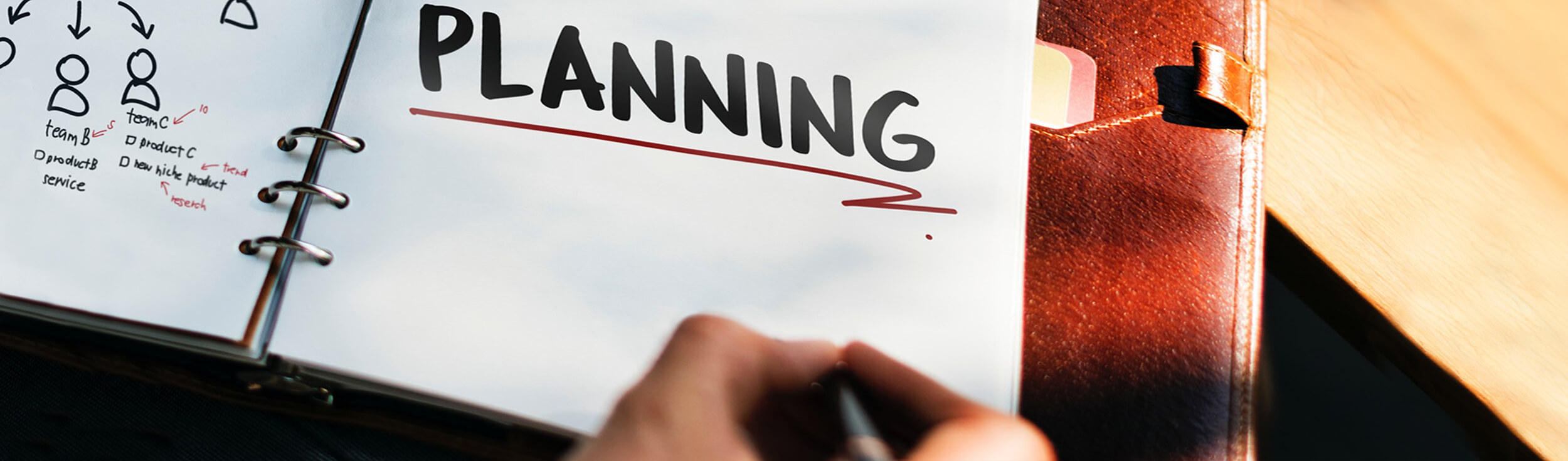
Plan Well
I truly believe any event’s success is guaranteed or lost six months before you get to site.
It might seem obvious, but planning is so important.
You need to pre-visualise the show before you arrive on site, and work with not only your team, but also suppliers and contractors, to create a production schedule that looks at every single detail.
Planning meetings need to be held regularly, and you need to interrogate every single element of your schedule until you know it backwards.
Consider all parts of your plan on their own, then examine them again, considering how each individual element affects every other element. Will the stage builders be on site before or after power contractors? Will anyone be working at height when other close by production elements have a crane in use?
Discussing this openly with your team allows others to understand the impact each element has on another and allows them to help avoid a crisis before its even started. If you don’t have the answers to all of the questions that come up during these meetings, you aren’t ready to go on site.
This is the time to think about every possible danger, obstruction, equipment failure, contractor mistake, or natural disaster. Think ahead, and try to imagine the worst that the world could throw at you, and how you would solve it. As your experience grows you’ll find you create a list of possible problems, allowing you to think ahead and prepare yourself for (hopefully) all eventualities.
The difference between an event that has been well planned and one that hasn’t is palpable the second you go on site. The atmosphere on a badly planned show is tense, normally lacking in energy because everyone on the team is worried about what is coming up. The lack of a good, coherent plan, creates anxiety and this in turn makes mistakes more likely. Professionals worried about the event often don’t perform at their best.
This means not only will the event not go as well as you hoped, it makes big problems or crises more likely too, as your team are less focussed and more likely to make mistakes. When that big crisis comes, your team are also less well equipped to handle it effectively.
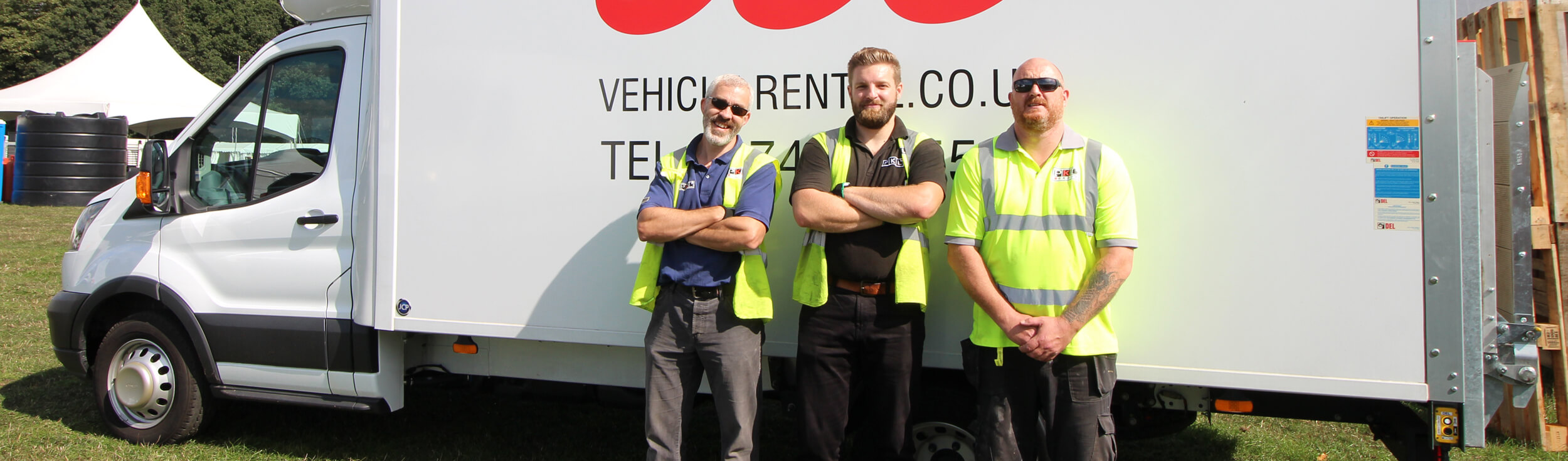
Stay Calm
The events industry suits a certain kind of person, they are confident doers, problem solvers, they love the buzz they get from an event, and they stay calm under pressure.
No matter what the emergency, whether there are people in danger or the whole event is at stake, losing your cool and panicking does NOTHING to help. Quite the opposite in fact. This is the moment your detailed pre-planning comes back to pay you a dividend. You can give your full attention to the crisis ahead of you, confident that the rest of the show will continue and that your team and contractors are well-briefed, enough that you can get your crisis sorted.
So, don’t be afraid to focus completely on the problem ahead of you. By doing that, you will be more likely to come up with a solution and will avoid panic and worry spreading it to the rest of your team.
Stay calm, think about the problem and think back to your planning. Here are a few questions to go through when the worst happens:
- Do you need to act immediately to ensure the safety of your team or the public?
- Who do you need to tell about the problem?
- Is this a crucial part of the show?
- Could this delay other elements of the production?
- Do you have to deal with this right now?
- Did you troubleshoot a similar issue during your meetings?
- If this puts this section out of the show, what effect would this have on the customer experience?
Asking questions like this does two things: it breaks down the problem to help define a solution, and it helps to stop you panicking, which interferes with your ability to reason and subsequently find a solution.
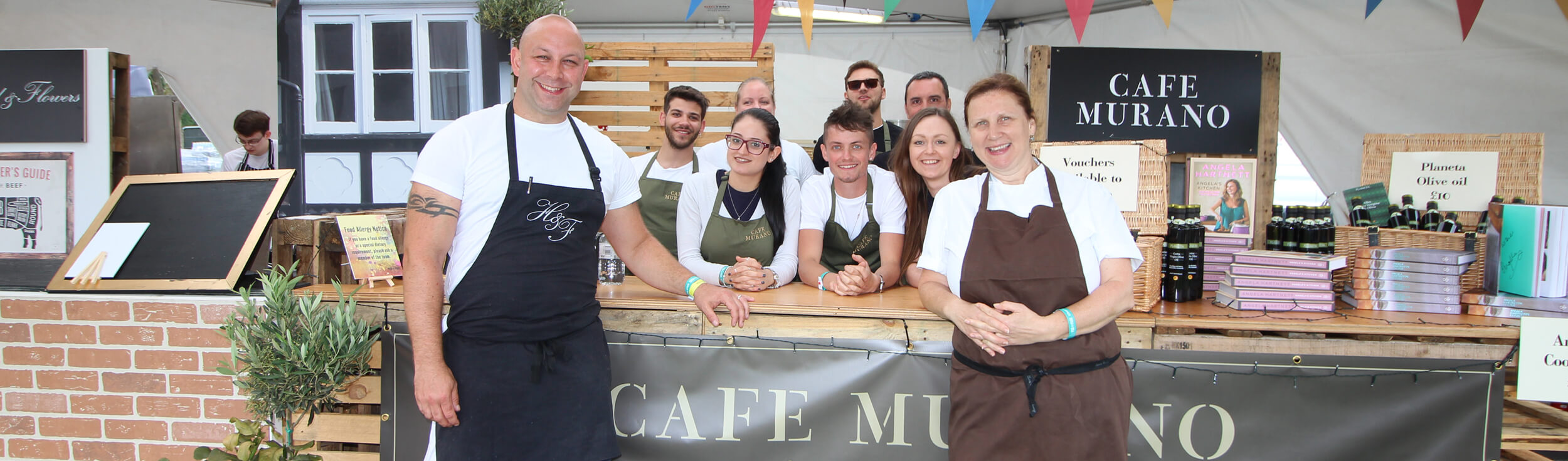
Look After Your Team
Your team is everything. Without a good team behind you you’ll never get anything done, and certainly not done on schedule. Your team are so imperative to your event I would put them at the top of every priority list you have.
A good team member is hard to find. They need to be confident, be able to take orders and remember complex instructions, whilst also being able to think on their feet, improvise in challenging circumstances and be a leader to other team members and a wide range of contractors. They also need to be hard working and prepared to roll their sleeves up when the chips are down.
When things go wrong, the best teams knuckle down and give everything. I love to see that on site, but this never say die attitude can sometimes be a problem.
When your team are emotionally invested in a show, a crisis will result in them putting themselves under undue pressure to solve the problem and this can sometimes result in them pushing themselves too hard, or beginning to feel the pressure get on top of them.
This is where you need to step up as a leader. You need to keep one eye on your team and when you can see the pressure is beginning to tell, you have to step in. Help them realise you have their back, and that you are there to assist and help solve the problem, never leave them feeling that they alone need to solve a crisis.
Sometimes all you need to do is give them a little break from whatever crisis they are facing, shut the door of the office for a minute or two, get them a coffee and talk through the issues they are facing. You’ll know what approach is best for your team, but never assume “they’ll cope”. Reach out and make sure they know they aren’t on their own.
Events is a high-pressure, tough industry to work in, and people won’t continue to work for you unless you are approachable and understanding. Making sure the event is a success is important, of course, but your team’s well-being is more so.

Conclusion
Dealing with a crisis on site has three distinct stages for me:
1) Planning is vital: Spend as much time planning and troubleshooting as soon as possible before you get to site and you’ll find crises easier to deal with. Even if this is not the case, you’ll have the confidence in the rest of your production schedule that will allow you to focus on the problem ahead of you and solve it quickly and efficiently.
2) Stay calm: Nothing was ever solved by panicking. Keep your cool, think through the problem and do what you need to do to make the show happen.
3) Look after your team: Keep your focus on the people around you and do all you can to protect and support them. Without a good team your event will fall apart, so make sure your team are happy, confident and well informed about their roles and want to come to work each day and love making something special.
Follow these rules and I think you’ll find crises simpler and easier to deal with than before. They have certainly helped me build successful events over the last decade.
By Pat Toland, Owner/ Director Coalesce Productions


 Address:
 Phone:
 Email:


